



Grinding Steel Ball


Product Description:
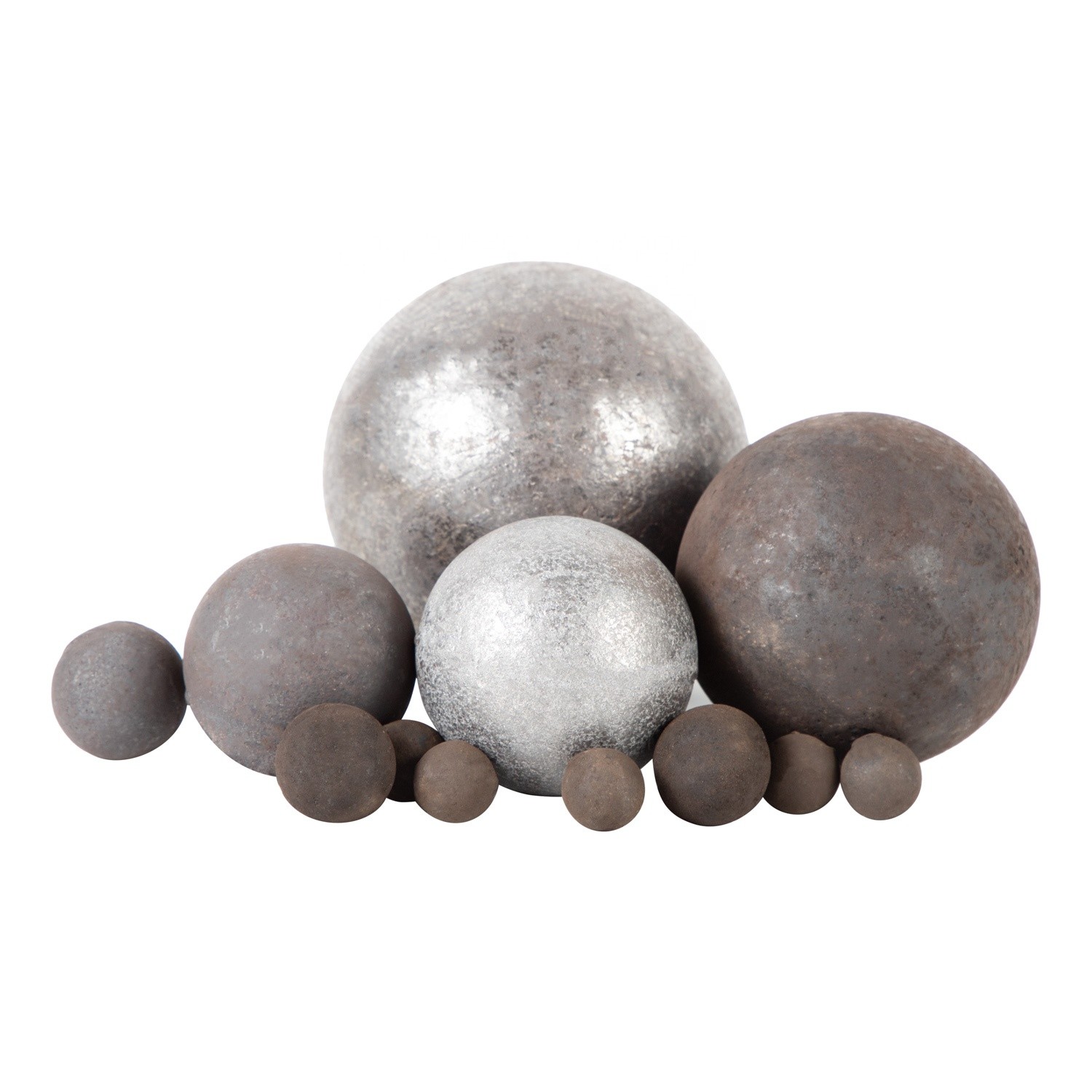
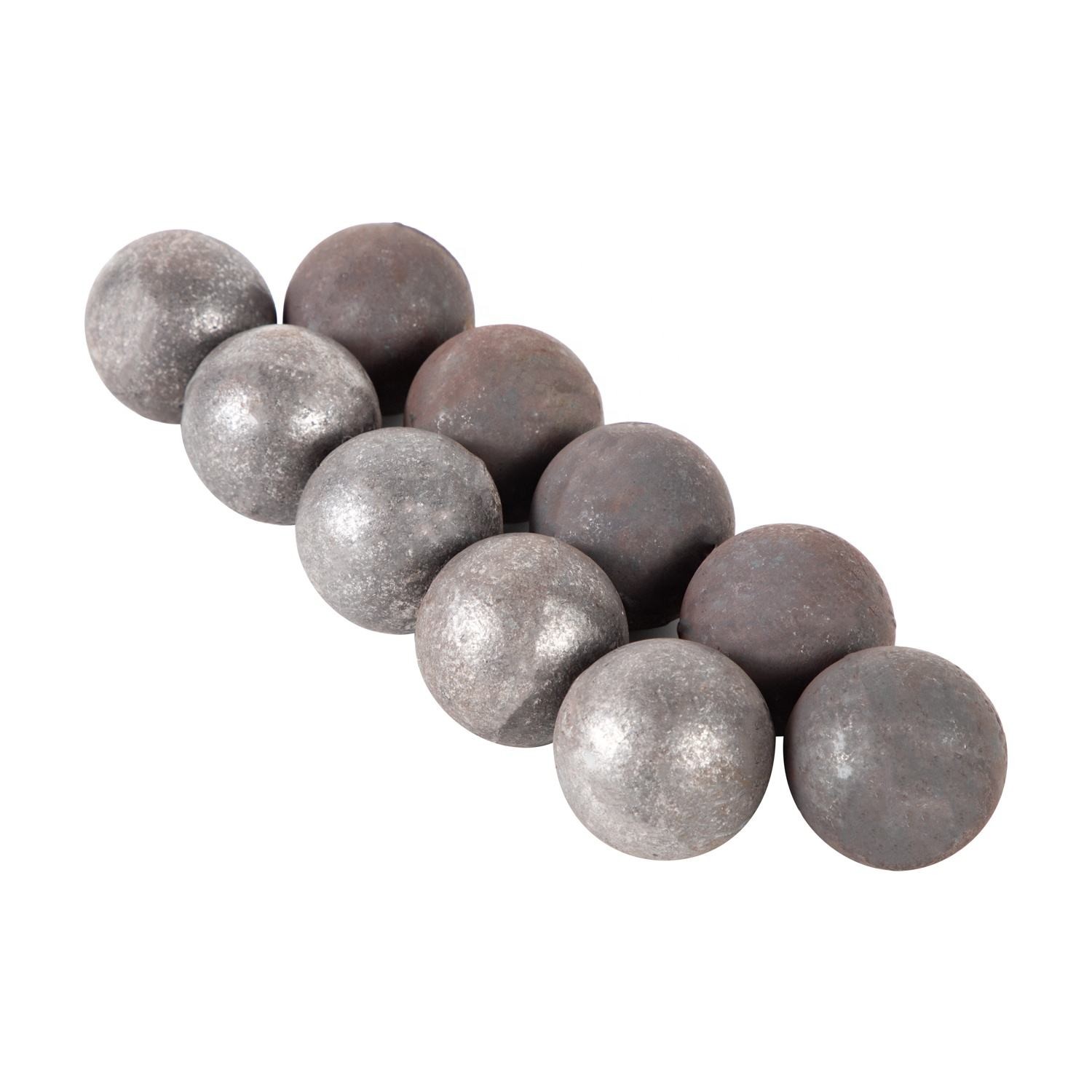
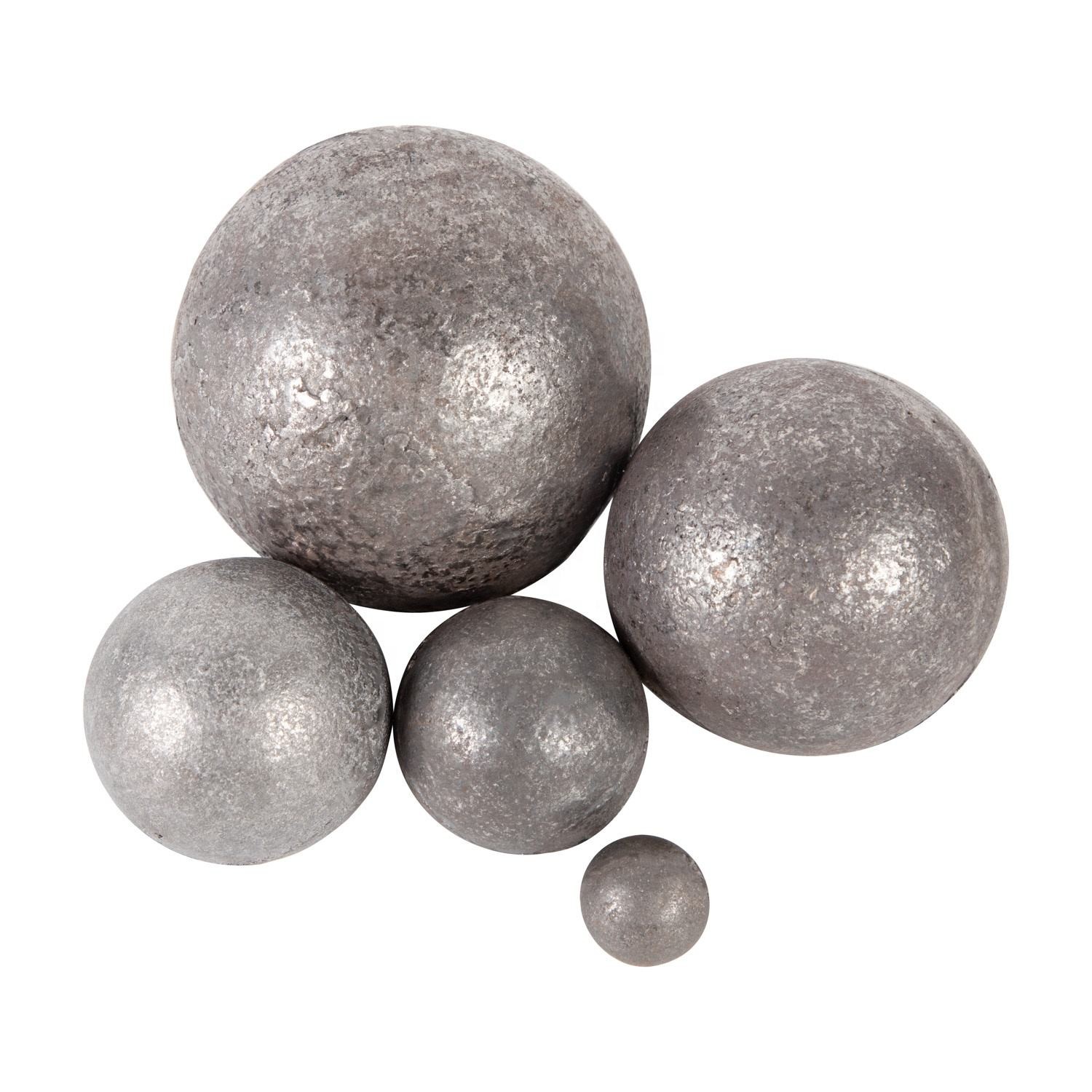
Grinding balls are core grinding media for grinding equipment such as ball mills and agitator mills. Through their own impact and friction, they crush or refine materials like ores, ceramics, cement, and coatings to the target particle size. They feature high hardness, strong wear resistance, and good chemical stability. Different materials and specifications can be selected based on material characteristics, grinding equipment types, and production needs. They are widely used in powder processing links in industries such as mining, building materials, chemicals, and ceramics.

Core Product Features

1. Diverse Materials for Different Scenarios

  • High-Chromium Cast Iron Grinding Balls: With a chromium content of 10%-15%, their surface hardness reaches HRC 58-65 after quenching, and impact toughness is ≥3J/cm². Their wear resistance is 3-5 times better than ordinary cast iron balls. Suitable for grinding high-hardness ores (such as iron ore and copper ore) and cement raw materials, they have a long service life and can reduce the cost of grinding media loss.

  • Alumina Ceramic Grinding Balls: Available in specifications with alumina content of 92%, 95%, 99%, etc. They have a high hardness of HV 1200-1600, no metal contamination, strong chemical stability, and acid-alkali corrosion resistance. Suitable for grinding materials requiring high purity (such as ceramic glazes, electronic ceramic powders, and food additives), they prevent metal ions from mixing in and affecting product quality.

  • Silica Grinding Balls: Mainly composed of silicon dioxide, they have moderate hardness (Mohs hardness 6.5-7) and low density (2.6g/cm³). Not easy to break during grinding, they are suitable for grinding medium and low-hardness materials such as glass powder, coatings, and cosmetic raw materials. They also have low cost and high cost-effectiveness.

  • Stainless Steel Grinding Balls: Made of 304 and 316L stainless steel, they have excellent rust resistance, smooth surface without impurities. Suitable for grinding materials in the pharmaceutical and food industries (such as traditional Chinese medicine powders and food additives), they meet hygienic standards, can be in direct contact with materials, and no pollutants are precipitated.

2. Precise Specifications to Meet Grinding Needs

  • Wide Diameter Range: Covers multiple specifications from 3mm to 150mm. Small diameters (3-10mm) are suitable for fine grinding (such as coatings and inks); medium diameters (15-50mm) are compatible with small and medium-sized ball mills (such as laboratory grinding equipment); large diameters (60-150mm) are used in large ball mills to grind bulk ores. Grinding efficiency can be improved through "mixing of large and small balls" (e.g., mixing 20mm and 50mm balls).

  • Regular and Uniform Shape: Adopting processes such as mold casting and isostatic pressing, the spherical roundness error is ≤0.5mm, and the surface is smooth without burrs or cracks. When loaded into the ball mill, they can be evenly distributed, reducing wear on the inner wall of the equipment. At the same time, they ensure uniform grinding particle size of materials, avoiding local over-grinding or under-grinding caused by irregular spheres.

3. Stable Performance to Reduce Production Loss

  • Low Wear Rate: High-quality grinding balls have an extremely low wear rate. For example, the wear rate of high-chromium cast iron balls is ≤0.15% per 1,000 hours, and that of alumina ceramic balls is ≤0.03% per 1,000 hours. Frequent replenishment or replacement is not required during long-term use, reducing downtime for maintenance and lowering the risk of production interruption.

  • High Impact Toughness: Especially for metal grinding balls, after special heat treatment, they have good impact resistance and are not easy to break or crack during the high-speed operation of the ball mill. This prevents impurities from mixing into materials due to sphere breakage, ensuring product purity.


Product Specification Parameter Table

Material TypeDiameter Range (mm)Core Performance ParametersApplicable Materials/IndustriesWear Rate (per 1,000 hours)
High-Chromium Cast Iron Grinding Balls10-150Hardness HRC 58-65, Impact Toughness ≥3J/cm²Ores, Cement Raw Materials, Refractories≤0.15%
92% Alumina Ceramic Balls3-80Hardness HV 1200-1300, Density 3.6g/cm³Ceramic Glazes, Coatings, Glass Powder≤0.05%
95% Alumina Ceramic Balls3-80Hardness HV 1350-1450, Density 3.7g/cm³Electronic Ceramic Powders, Fine Chemical Raw Materials≤0.03%
Silica Grinding Balls10-100Mohs Hardness 6.5-7, Density 2.6g/cm³Coatings, Cosmetic Raw Materials, Non-Metal Ore Powders≤0.2%
304 Stainless Steel Grinding Balls5-50Hardness HB 180-200, Neutral Corrosion ResistanceFood Additives, Traditional Chinese Medicine Powders≤0.08%
316L Stainless Steel Grinding Balls5-50Hardness HB 180-200, Acid-Alkali Corrosion ResistancePharmaceutical Intermediates, Chemical Corrosive Materials≤0.08%

Application Scenarios

  • Mining Industry: Used in the coarse and fine grinding of metal ores such as iron ore, copper ore, and gold ore. High-chromium cast iron grinding balls are used with large ball mills to quickly crush bulk ores to the particle size required for mineral processing (e.g., -200 mesh accounting for more than 80%).

  • Ceramic Industry: Alumina ceramic grinding balls are used to grind ceramic body powders and glazes. Without metal contamination, they ensure uniform color and smooth surface of ceramic products, avoiding glaze pinholes and color differences caused by metal impurities.

  • Building Materials Industry: In cement production lines, high-chromium cast iron grinding balls are used to grind cement raw materials and clinker, improving cement fineness (e.g., specific surface area ≥350m²/kg) and enhancing cement strength. In glass production, silica grinding balls are used to refine glass raw materials, ensuring glass transparency.

  • Pharmaceutical/Food Industry: 304/316L stainless steel grinding balls are used to grind Chinese medicine pieces and food additives (such as protein powder and probiotic powder). They meet GMP hygiene standards, ensure no pollutant residues in materials, and meet the strict quality requirements of the pharmaceutical and food industries.


PREVIOUS:N-nails NEXT:welding wire
Inquiry:

CATEGORIES

CONTACT US

Contact: Fan

Phone: +86 18255112898

Tel: 0551-82311088

Email: salehongfeng@163.com

Add: No. 8, Circular Economy Industrial Park, Zhangpu Town, Tianchang City, Chuzhou City

Leave a message

 
Top