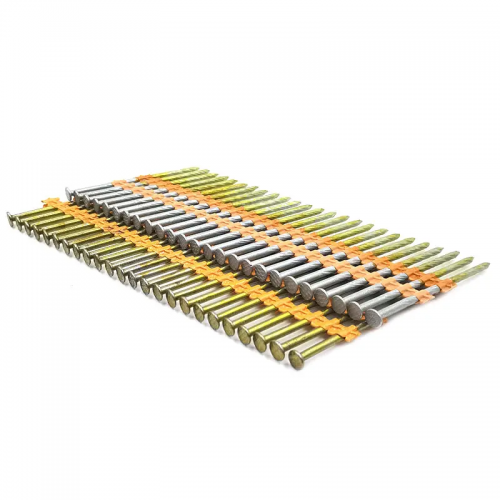
Product Description:
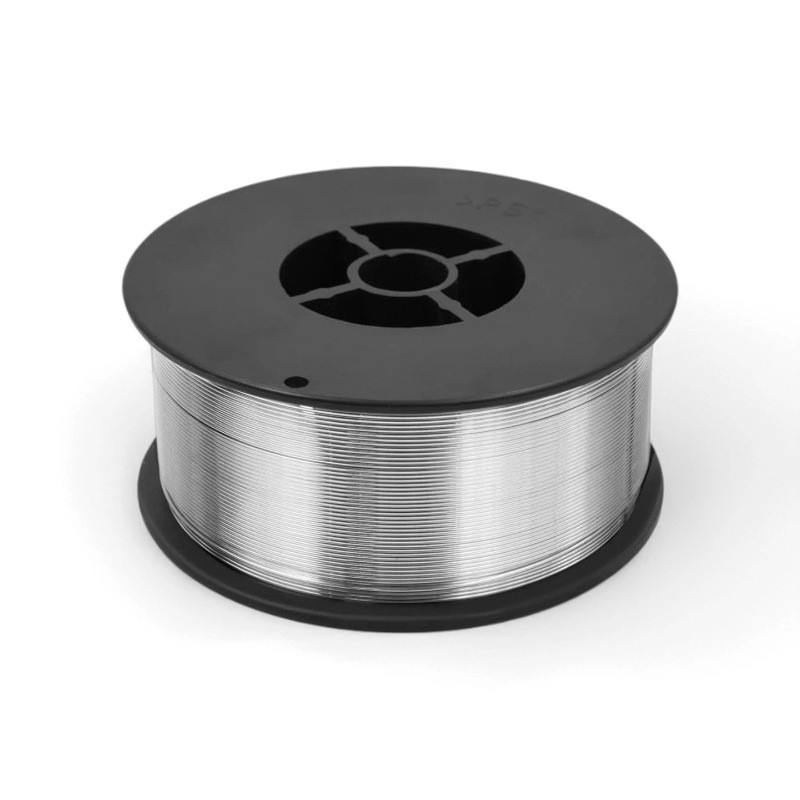
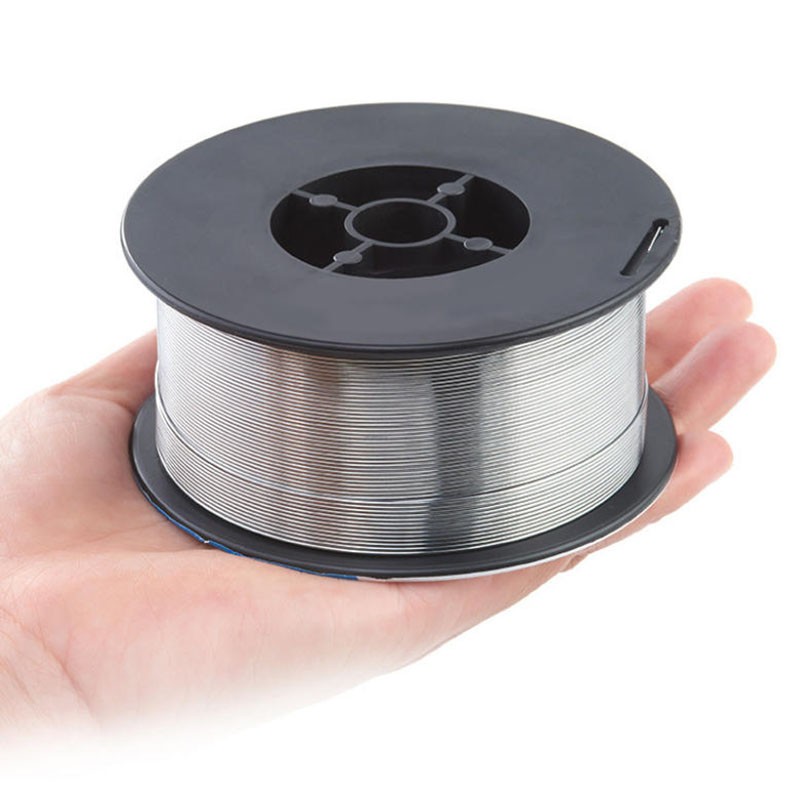
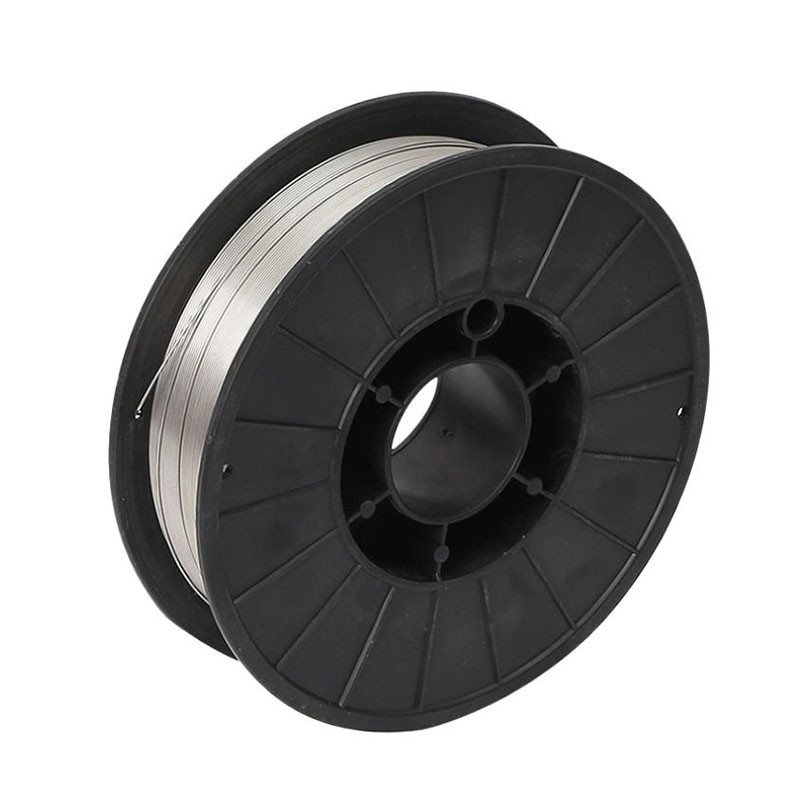
Welding wire is a core filler metal material for welding operations, and can also serve as a conductive electrode to transmit welding current. It is widely used in hardware processing, steel structure construction, machinery manufacturing, ship and automobile production and other fields. In the form of continuous metal wire, it is divided into two major categories: solid welding wire and flux-cored welding wire, which are suitable for different welding processes and base material requirements.
I. Core Classifications and Features
Solid Welding WireMade of a single metal or alloy by drawing, it features uniform and stable composition, low welding spatter and smooth weld formation. It needs to be used with shielding gases (such as argon, carbon dioxide) or fluxes. Common types include carbon steel solid welding wire, stainless steel solid welding wire and aluminum alloy solid welding wire, which are suitable for precision welding and non-ferrous metal welding scenarios.
Flux-cored Welding WireFormed by rolling metal strip into a tubular shape with flux powder filled inside. During welding, the flux decomposes at high temperature, generating shielding gas automatically to isolate air and forming slag to cover the weld bead without adding extra flux. It is divided into gas-shielded flux-cored welding wire and self-shielded flux-cored welding wire. The latter has strong wind resistance, making it especially suitable for outdoor welding operations without gas protection, such as steel structures and bridges. Its welding efficiency is 30%-50% higher than that of solid welding wire.
II. Core Advantages
Strong Versatility: Compatible with mainstream welding processes such as argon arc welding, CO₂ gas shielded welding and submerged arc welding, and can weld various base materials including carbon steel, stainless steel and low-alloy steel.
Improved Welding Quality: Precisely controls weld composition, enhances the tensile strength, toughness and corrosion resistance of welds, and reduces welding defects.
Higher Operation Efficiency: The continuous wire feeding design supports automated and semi-automated welding, greatly shortening welding time and reducing labor costs.
III. Application Scenarios
It covers the entire industrial manufacturing chain, including hardware accessories welding, construction scaffolding erection, engineering machinery parts processing, ship hull welding, automobile chassis manufacturing, etc. It is an indispensable basic material in the modern welding industry.





 中文
中文